
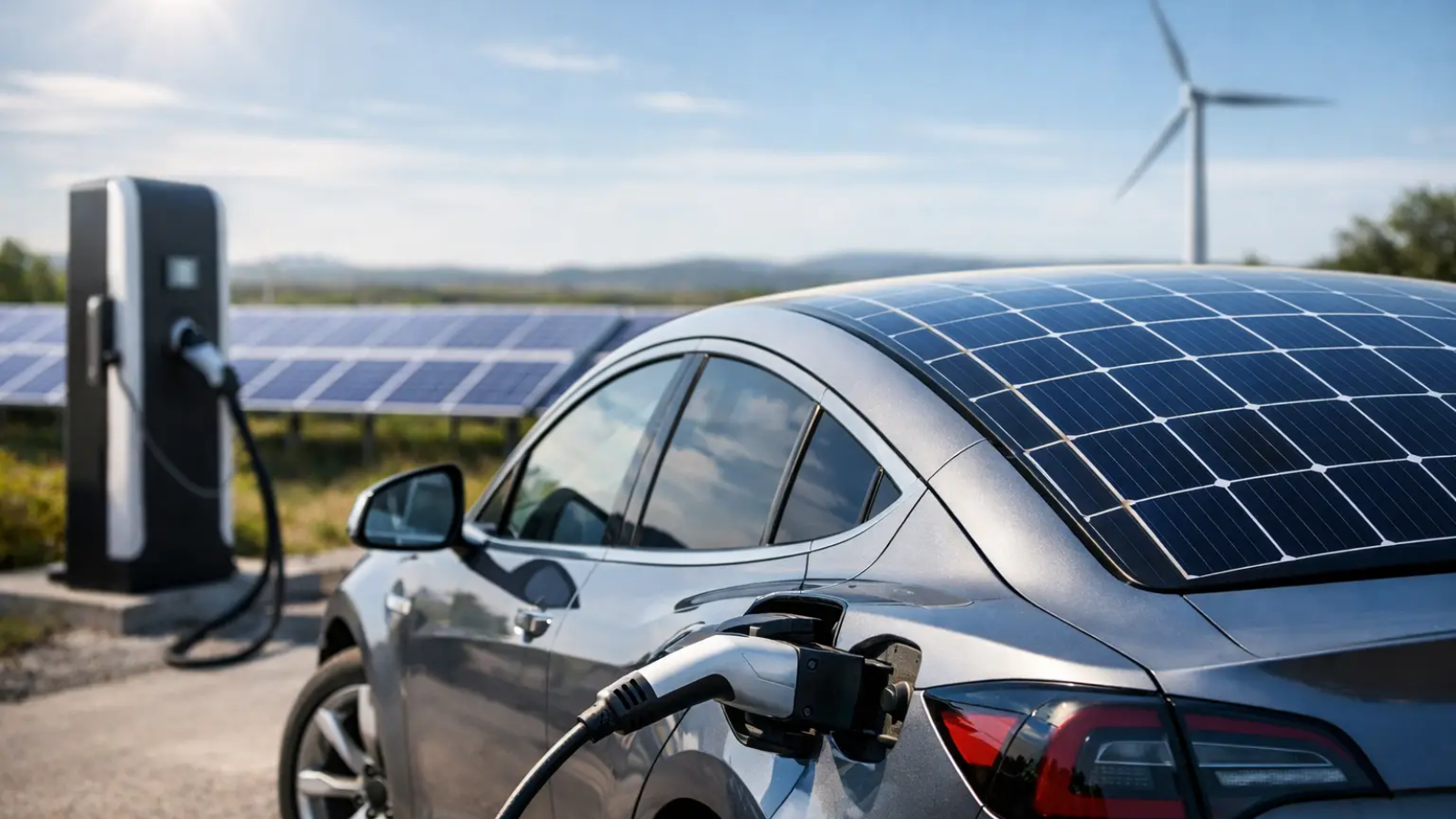
If your goal is to charge an electric vehicle with sunshine, the biggest question is not whether solar panels for EVs are possible. It is how much solar you actually need, when that energy is available, and whether your charging habits match your roof, budget, and electricity rates.
That gap between the idea and the real setup is where many homeowners and businesses get stuck. The concept sounds simple: install panels, power the car, cut emissions. In practice, the answer depends on how much you drive, what kind of EV you own, how fast you want to charge, and whether your property can support a system sized for both the building and the vehicle.
Why solar panels for EVs make sense
EV charging and solar belong together for a practical reason. A car adds a significant new electricity load to a home or commercial property, and solar helps offset that load with lower-cost, cleaner generation on-site.
For homeowners, that can mean reducing the cost of daily commuting instead of relying entirely on utility power. For businesses and property managers, it can support workplace charging, fleet charging, or tenant amenities while improving the economics of the building’s overall energy use.
There is also a timing advantage. Many EV owners charge overnight because it is convenient, but daytime charging is where solar production is strongest. That does not make solar less useful. It just means your setup needs to account for how energy flows across the day. In some cases, net metering or time-of-use rates help bridge that mismatch. In others, battery storage or smart charger controls make a bigger difference.
Can solar panels charge an EV directly?
Yes, but usually not in the way people imagine.
Most EVs are not charged straight from a solar panel into the car. In a standard property setup, solar panels generate electricity that flows through an inverter and into the building’s electrical system. From there, the power can run household loads, feed an EV charger, charge a battery, or export to the grid.
That means your EV is typically charging from the home’s electrical supply, while solar reduces or offsets the electricity being pulled from the utility. If your solar production is high at the same time your car is charging, a larger share of that charge may come from solar. If your car charges at night, your panels may still support EV charging financially by lowering your net grid consumption over the full billing cycle.
This distinction matters because it shapes expectations. You do not need a dedicated “car-only” solar array to make the economics work. In many cases, the best system is one designed around the property’s total energy needs, with EV charging treated as one of the major loads.
How many solar panels do you need for an EV?
The honest answer is: it depends on your driving.
A useful starting point is annual mileage. If an EV driver covers around 12,000 miles a year and the vehicle averages roughly 3 to 4 miles per kWh, that translates to about 3,000 to 4,000 kWh of electricity annually for driving. A solar system would need to generate at least that amount, in addition to the rest of the property’s electricity demand, if the goal is to offset the car’s usage fully.
Panel count then depends on panel wattage, local sunlight, roof orientation, shading, and system efficiency. In a sunny location, a relatively modest portion of a rooftop system might cover an average commuter’s annual EV charging needs. In a less favorable site, the same vehicle may require more panel capacity to deliver equivalent output.
This is why sizing solar panels for EVs should begin with energy data, not guesswork. Look at your monthly electricity use, estimate EV charging demand based on miles driven, and then model expected solar production for the property. A right-sized system is more valuable than an oversized one that strains the budget or an undersized one that misses your goals.
What home charging setup works best with solar?
For most households, a Level 2 charger paired with a grid-connected solar system is the most practical path.
Level 1 charging is slow and may be enough for light driving, but it does not make the most of available solar energy during the day. A Level 2 charger provides far more flexibility. If you work from home, have daytime access to the car, or can schedule charging during solar production hours, a Level 2 setup can use solar generation more effectively.
Smart charging features add another layer of value. Some chargers allow scheduled charging, dynamic load management, or integration with home energy systems. That helps you shift charging to lower-cost periods or to times when solar output is strongest. For households with battery storage, it may also support more strategic use of stored energy in the evening.
The key point is that the charger, the solar system, and the utility rate plan should be considered together. Treated as separate purchases, they can work fine. Designed as one energy system, they usually work much better.
The trade-offs most buyers overlook
The biggest misconception is that solar automatically makes EV charging free. It can reduce charging costs significantly, but the result depends on financing, system size, rate structures, and charging behavior.
Roof limitations are another common issue. Not every home has enough usable roof area or ideal sun exposure to offset both household electricity and EV charging. In that case, partial offset can still be worthwhile. Covering even a portion of your charging demand with solar can improve long-term energy costs and lower emissions.
Then there is the timing mismatch. Solar produces most during the day. Many people charge at night. Whether that matters depends on the policy and technology around the system. Homes with favorable net metering may still benefit strongly without a battery. Where compensation for exported solar is lower, battery storage or daytime charging becomes more attractive.
Cost is also nuanced. Adding enough solar capacity to support EV charging may increase upfront investment, but it can improve the value of the system over time if it displaces expensive grid electricity. For commercial properties, the return may be influenced by demand charges, tenant expectations, and utilization rates for workplace or fleet charging.
Solar panels for EVs in commercial settings
For businesses, the conversation is broader than one vehicle or one charger. Solar can support employee charging, customer charging, delivery fleets, and site-wide energy management.
A workplace that installs EV chargers without considering its daytime load profile may see higher electricity costs at peak times. Add solar, and the site can offset part of that demand with on-site generation. For retail centers, offices, and multifamily properties, this can strengthen the business case for charging infrastructure while supporting sustainability goals that matter to tenants, customers, and investors.
Fleet operations are especially interesting. If vehicles return on predictable schedules or charge during business hours, solar can align well with charging demand. The economics still depend on usage patterns and infrastructure design, but the opportunity is real.
This is where a solutions-based approach matters. Charging hardware alone is only part of the picture. Energy production, load management, and property constraints all shape the outcome.
Should you add battery storage?
Sometimes yes, sometimes no.
Battery storage can help capture excess daytime solar generation and use it later for EV charging or building loads. That is attractive when utility export rates are low, grid reliability is a concern, or evening charging is non-negotiable.
But batteries add cost, and they are not always necessary to make solar panels for EVs worthwhile. In some markets, a grid-tied solar system with smart charging provides a strong return without storage. In others, the resilience and flexibility of a battery justify the added investment.
The right decision comes down to economics and priorities. If your main goal is lower charging costs, you may not need storage. If you also want backup power, more control over peak usage, or better use of self-generated energy after sunset, storage becomes more compelling.
What to evaluate before you invest
Before moving forward, focus on a few fundamentals. Start with driving patterns and charging habits. Then assess your current electrical panel, available roof space, sunlight exposure, and utility tariff.
It is also worth thinking ahead. If you plan to add another EV, increase commuting distance, or install more chargers at a commercial site, the system should be designed with future load growth in mind. Retrofitting later can be more expensive than planning properly from the start.
This is one reason Charge & Go and similar clean energy providers frame EV charging and solar as connected decisions rather than separate projects. When the system is built around how people actually live and operate, the results are more efficient and easier to trust.
Solar-powered mobility is not a marketing fantasy. It is a practical energy strategy when the numbers, equipment, and usage pattern line up. The smartest next step is not asking whether solar can charge your EV. It is asking what kind of setup fits the way you drive, the way your property uses energy, and the future you are building toward.
Add a Comment