
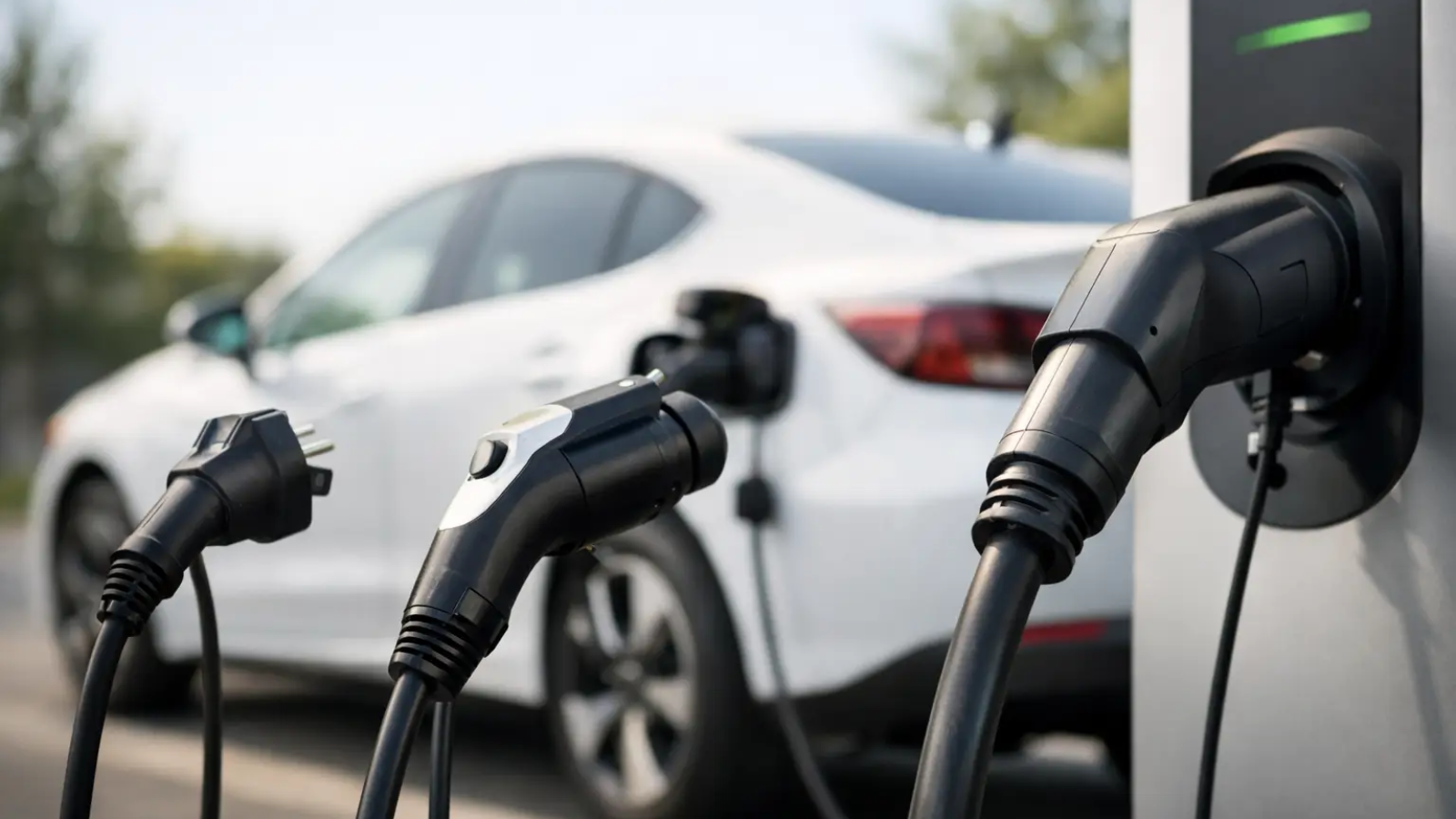
A full battery at 7 a.m. feels very different from a half-charged car and a busy day ahead. That is why understanding electric vehicle charging levels matters so much. The right charging setup affects convenience, operating costs, installation decisions, and how confidently you can build EV charging into daily life.
For homeowners, the question is usually simple: how fast do I need my car to charge overnight? For businesses and property managers, it gets more complex. Charger speed influences traffic flow, energy planning, customer experience, and long-term infrastructure value. The good news is that the charging landscape is easier to understand once you know what each level is designed to do.
What electric vehicle charging levels actually mean
Electric vehicle charging levels describe how much power an EV charger delivers and how quickly that power can refill a battery. In the U.S., charging is generally grouped into three categories: Level 1, Level 2, and DC fast charging, which is often called Level 3 in everyday conversation.
The differences come down to voltage, power output, and intended use. A lower charging level is slower but often easier and cheaper to install. A higher charging level adds speed, but it also requires more electrical capacity, more planning, and usually a higher upfront investment.
That trade-off matters. Faster is not always better if the charging session naturally happens over several hours. On the other hand, slow charging can become a real limitation when vehicles need to turn around quickly or serve multiple users in one day.
Level 1 charging: the simplest starting point
Level 1 charging uses a standard 120-volt household outlet. For many first-time EV owners, this is the most accessible option because it usually requires no special equipment beyond the charging cord that comes with the vehicle.
Its main advantage is convenience. If you drive short distances, have plenty of overnight charging time, and want to avoid immediate installation work, Level 1 can be enough. It is often a practical solution for plug-in hybrid drivers or households with modest daily mileage.
The limitation is speed. Level 1 charging typically adds only a few miles of range per hour. For a larger battery EV, that can mean very long charging times. If you regularly commute farther, drive multiple trips per day, or share the vehicle with another driver, Level 1 can start to feel restrictive very quickly.
This is where context matters. A slow charger is not a problem if the vehicle sits parked for 12 hours every night and only needs a partial refill. But if your schedule is less predictable, relying on Level 1 may create friction you notice every week.
Level 2 charging: the standard for daily EV life
Level 2 charging uses a 240-volt power supply, similar to what large household appliances use. This is the most common choice for residential charger installations and a core solution for workplaces, commercial properties, multifamily buildings, and destination charging sites.
For most EV owners, Level 2 hits the sweet spot. It charges much faster than Level 1 and is well suited to overnight charging at home. In many cases, a vehicle can recover a full day or more of driving range while the owner sleeps, works, shops, or spends time at a property.
That balance is why Level 2 has become the backbone of practical EV infrastructure. It supports real-world routines without the higher costs and power demands that come with DC fast charging. For businesses, it is often the right choice when vehicles stay parked for one to several hours. For apartment buildings and offices, it helps align charging speed with dwell time.
Installation is more involved than Level 1. A dedicated circuit is required, and some properties may need panel upgrades or load management planning. Still, for many users, the return is clear: a more reliable charging experience that supports EV ownership without requiring constant planning around public charging stops.
DC fast charging: built for speed and turnover
DC fast charging is a different category altogether. Instead of sending alternating current to the vehicle and letting the car convert it, these chargers deliver direct current at much higher power levels. The result is dramatically faster charging.
This is the option people usually think of when they imagine highway charging, retail quick stops, or fleet operations with tight turnaround windows. DC fast chargers can add significant range in a short session, making them especially useful for drivers who need to get back on the road quickly.
But speed comes with trade-offs. DC fast charging equipment is expensive, installation can be complex, and site hosts need adequate electrical infrastructure. Demand charges and utility coordination can also shape the economics. For commercial operators, that means the business case has to be grounded in actual usage patterns, not just the appeal of offering the fastest charger possible.
For many sites, DC fast charging is the right fit only when fast turnover is essential. A highway corridor, fleet depot, or high-traffic retail location may justify it. A workplace where cars remain parked all day usually does not need that level of power.
Electric vehicle charging levels for home use
At home, the best charging level depends less on theory and more on your driving habits. If you drive a short daily route and have reliable overnight parking, Level 1 may cover your needs at least for a while. It can be a reasonable starting point, especially for new EV owners who want to delay a larger installation decision.
Still, most households benefit more from Level 2. It gives you flexibility when plans change, when weather affects efficiency, or when you need a quicker top-up between trips. It also tends to make EV ownership feel easier, which matters more than people expect. The less you think about charging, the better the experience usually is.
Homeowners who are also considering solar should think one step ahead. Charging an EV at home already shifts transportation toward cleaner energy. Pairing that setup with solar can improve long-term energy control and help reduce the emissions tied to vehicle charging even further. That broader view is where charging infrastructure starts becoming part of a smarter home energy strategy, not just a convenience purchase.
Electric vehicle charging levels for businesses and properties
For commercial sites, selecting among electric vehicle charging levels is really a question of use case. An office building may benefit from Level 2 chargers because employees stay for several hours. A hotel, residential development, or mixed-use property may reach the same conclusion for similar reasons.
Retail is more nuanced. If customers typically stay 30 to 90 minutes, Level 2 may still work well, especially as an amenity that encourages longer visits. If the goal is rapid turnover or attracting drivers who specifically need quick charging, DC fast charging may offer more value.
Fleet operations need a particularly careful assessment. Overnight depot charging often works very well with Level 2, especially when vehicle schedules are predictable. But if vehicles cycle in and out throughout the day, faster charging may be worth the added infrastructure cost.
Property managers should also consider future demand. One charger may solve today’s problem, but conduit capacity, panel space, software management, and parking layout influence whether the site can scale later. Planning for growth at the start is often cheaper than redesigning the system after adoption increases.
How to choose the right charging level
The best choice usually comes down to four factors: how long the vehicle stays parked, how far it drives each day, what electrical capacity the site already has, and what budget makes sense for the goal.
If parking time is long and predictable, Level 2 is often the strongest answer. If charging demand is occasional and mileage is low, Level 1 may be acceptable. If speed and turnover are central to the value of the site, DC fast charging becomes more compelling.
It also helps to think beyond charger speed alone. Smart energy management, user access control, payment systems, and solar integration can shape the value of a charging project just as much as raw power output. A well-matched system often outperforms a faster but poorly planned one.
At Charge & Go, that practical fit is what matters most. EV charging works best when it supports the way people actually live, drive, and manage energy, not just when it looks impressive on paper.
As EV adoption grows, charging decisions will become less about keeping up and more about building infrastructure that lasts. The right level is the one that meets today’s demand while making room for a cleaner, smarter transportation future.
Add a Comment