
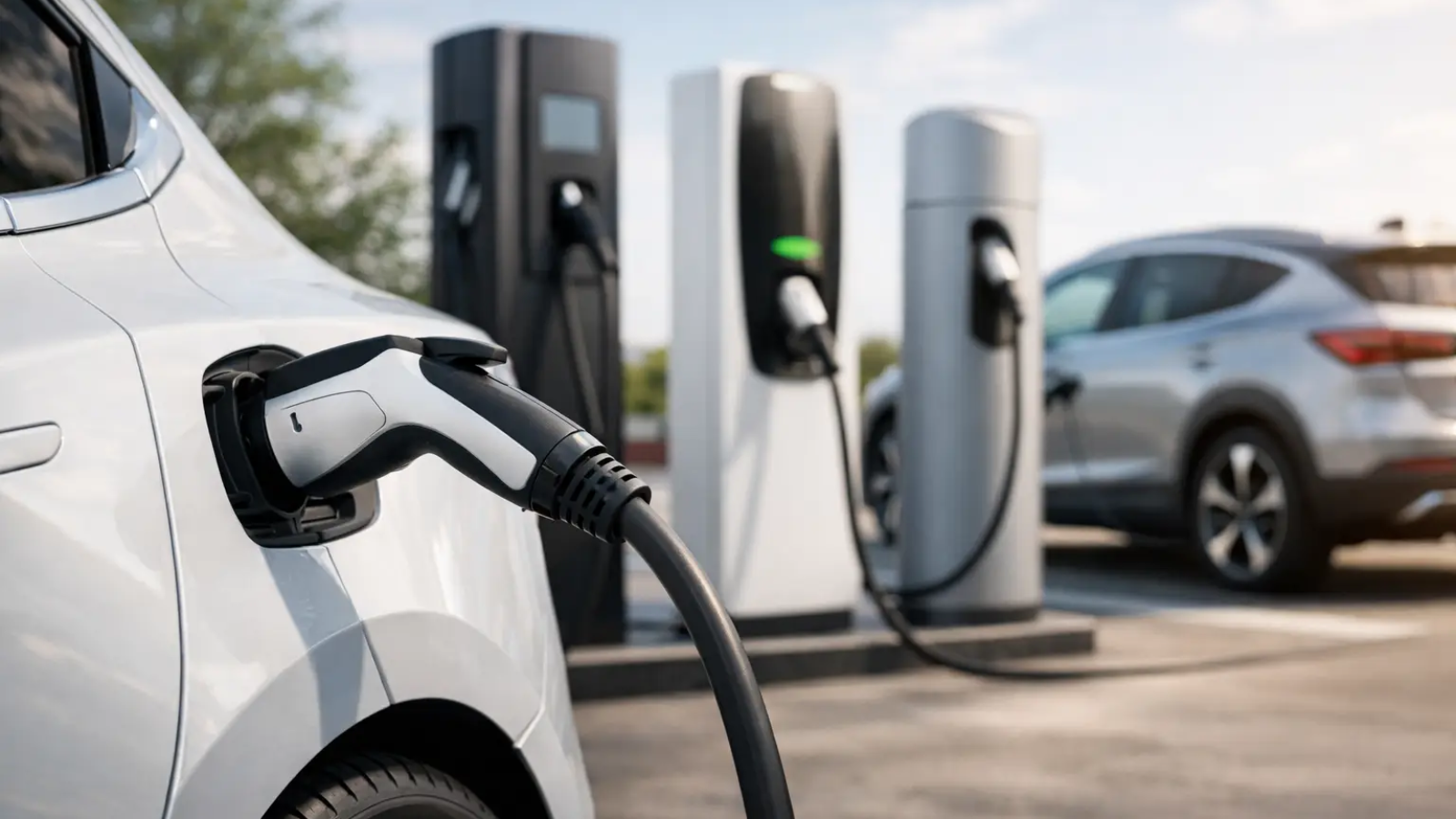
If you are shopping for the best electric car charger 2026 has to offer, the biggest mistake is assuming faster always means better. For some drivers, a simple Level 2 charger with reliable scheduling is the smart buy. For others, especially households adding a second EV or properties planning for future demand, load management and solar compatibility matter more than raw charging speed.
That is what makes this year’s charger market more interesting than ever. The best options are no longer just power delivery devices mounted on a wall. They are part of a larger energy system that can reduce electricity costs, support cleaner transportation, and make daily charging feel predictable rather than inconvenient.
What makes the best electric car charger 2026 worth buying?
A good charger in 2026 should do three things well. It should charge consistently, communicate clearly, and fit the way the site actually uses power. Those basics sound obvious, but they rule out plenty of products that look impressive on paper.
Charging speed still matters, of course. Most homeowners will be looking at Level 2 chargers because they offer a strong balance of cost and practicality. Depending on the vehicle, circuit size, and charger rating, Level 2 can typically add meaningful range overnight without putting unnecessary strain on the electrical system. But speed only helps if the charger is matched to the panel capacity and the vehicle’s onboard charging limit.
Smart controls have also moved from nice-to-have to close to essential. App-based scheduling, energy tracking, off-peak charging, and remote diagnostics are now part of the value equation. If your utility offers time-of-use rates, these features can turn a charger from a convenience upgrade into a tool for long-term savings.
Then there is durability. A charger installed in a garage has a different job than one exposed to heat, rain, dust, or shared use in a parking area. Cable quality, weather rating, connector design, and warranty support all deserve more attention than they usually get. A charger is infrastructure, not a disposable gadget.
The charger categories that matter most in 2026
The best electric car charger 2026 shoppers choose usually falls into one of four categories, and the right choice depends on the property more than the marketing.
Best for most homes: smart Level 2 wall chargers
For a typical single-family home, a smart Level 2 wall charger remains the strongest choice. This category offers the best mix of charging speed, app control, and manageable installation cost. If you drive daily, want overnight charging, and care about energy visibility, this is where most buyers should start.
The strongest products in this category tend to offer adjustable amperage, Wi-Fi connectivity, a clean user interface, and a cable long enough to work with different parking positions. Adjustable power matters because it gives installers more flexibility and helps future-proof the setup if your electrical panel has limits.
Best for solar households: energy-aware chargers
If your home already has solar, or you plan to add it, an energy-aware charger is often a better investment than a standard smart charger. These models can prioritize solar generation, coordinate with home energy systems, or at least help you charge when on-site generation is highest.
This is where sustainability and economics start to align. Charging your EV during periods of solar production can lower grid dependence and make better use of clean electricity you are already producing. Not every household can do this perfectly, especially if the car is away during the day, but the right setup can still improve the overall energy picture.
Best for apartments and shared properties: managed chargers
For multifamily buildings, condominiums, and shared parking environments, charger management matters more than headline specs. Access control, user authentication, billing support, and load balancing are what separate a useful installation from a frustrating one.
A property manager does not just need a charger. They need a system that can grow without forcing a major electrical upgrade every time another tenant requests charging. Managed solutions with dynamic load sharing can help spread available power across multiple chargers, which makes expansion more realistic.
Best for commercial sites: networked business chargers
Workplaces, retail locations, and fleet operators need a different standard entirely. Reliability, uptime visibility, utilization reporting, and service support become central. Public-facing or employee-facing chargers are part of operations, customer experience, and brand credibility.
For these buyers, the cheapest hardware can become the most expensive mistake. Downtime, support delays, and poor software can create friction that quickly outweighs any upfront savings.
Features that deserve attention before you buy
Some charger features are genuinely useful. Others sound advanced but do little in day-to-day ownership.
A clear case can be made for adjustable amperage, scheduled charging, energy monitoring, and safety certification. Those features affect installation flexibility, operating cost, and peace of mind. If you are comparing two otherwise similar chargers, these are the details that should tip the decision.
Load management is becoming especially important. In a home with limited panel capacity, or at a business adding multiple chargers, this feature can avoid expensive electrical work by intelligently distributing power. It is not the right answer in every case, but in the right setting it can change the economics of the project.
Cable design is another underrated factor. A stiff, heavy cable can become annoying very quickly, especially in colder climates or high-frequency use settings. Connector holster quality also matters more than most buyers expect. Small usability details affect the charger every single day.
On the other hand, buyers should be careful not to overpay for software they will never use. If you simply want reliable home charging overnight, a charger with stable core functions may serve you better than a more expensive model packed with extra menus, subscriptions, and integrations you do not need.
How to choose the right charger for your property
Start with your vehicle and your driving habits. If your daily commute is moderate and you charge overnight, you may not need the highest-amperage unit available. Many households will be perfectly served by a mid-range Level 2 charger installed on a circuit that fits the home comfortably.
Next, look at the electrical panel. This is where many buying decisions become real. The charger you want is only practical if the property can support it. Some homes can add a high-output charger easily. Others may benefit more from a lower-amperage installation or a charger with smart load management.
Then think about the next five years, not just the next five months. Are you likely to add a second EV? Will the charger be used by guests, tenants, or employees later on? Could solar be part of the plan? Forward-looking infrastructure decisions usually age better than bare-minimum installs.
Installation conditions matter too. Indoor garage setups allow more flexibility. Outdoor installations need better weather protection, secure mounting, and hardware that can handle long-term exposure. For commercial and shared settings, vandal resistance and access control may also come into play.
Common buying mistakes in 2026
One of the most common mistakes is choosing based on maximum power without checking the car’s onboard charging capability. If the vehicle cannot take advantage of the charger’s top output, the extra capacity may not deliver real-world value.
Another mistake is underestimating software quality. A charger can have strong hardware and still frustrate users if the app is unreliable or the setup process is clumsy. In commercial environments, poor software can be even more damaging because it affects multiple users and ongoing operations.
Some buyers also ignore service and support. EV charging is becoming core infrastructure for homes and businesses, which means support responsiveness matters. Warranty terms, installer familiarity, and replacement part availability all deserve a look before purchase.
Finally, there is the temptation to treat charging as separate from the broader energy strategy. That view is becoming outdated. The strongest charger decisions now consider utility rates, solar potential, future EV adoption, and building energy use together. That is where a solutions-oriented approach adds real value.
What the market is signaling for the years ahead
The charger market in 2026 is moving toward smarter energy coordination, not just higher output. Buyers are asking better questions about grid impact, solar integration, and operational efficiency. That is a positive shift for both cost-conscious consumers and sustainability-focused organizations.
It also means the best charger is not a universal product. It is the one that matches your vehicle, property, power availability, and long-term goals. For some, that will be a straightforward home Level 2 unit. For others, it will be a managed system built to support multiple users and future expansion.
At Charge & Go, this is the larger opportunity we see in EV infrastructure. A charger should not only power a vehicle. It should fit into a cleaner, smarter energy system that makes everyday transportation easier to sustain.
The best buying decision is usually the one that feels a little less exciting at checkout and a lot more sensible every day after installation. Choose the charger that fits how you live, how you work, and where your energy strategy is heading next.
Add a Comment