
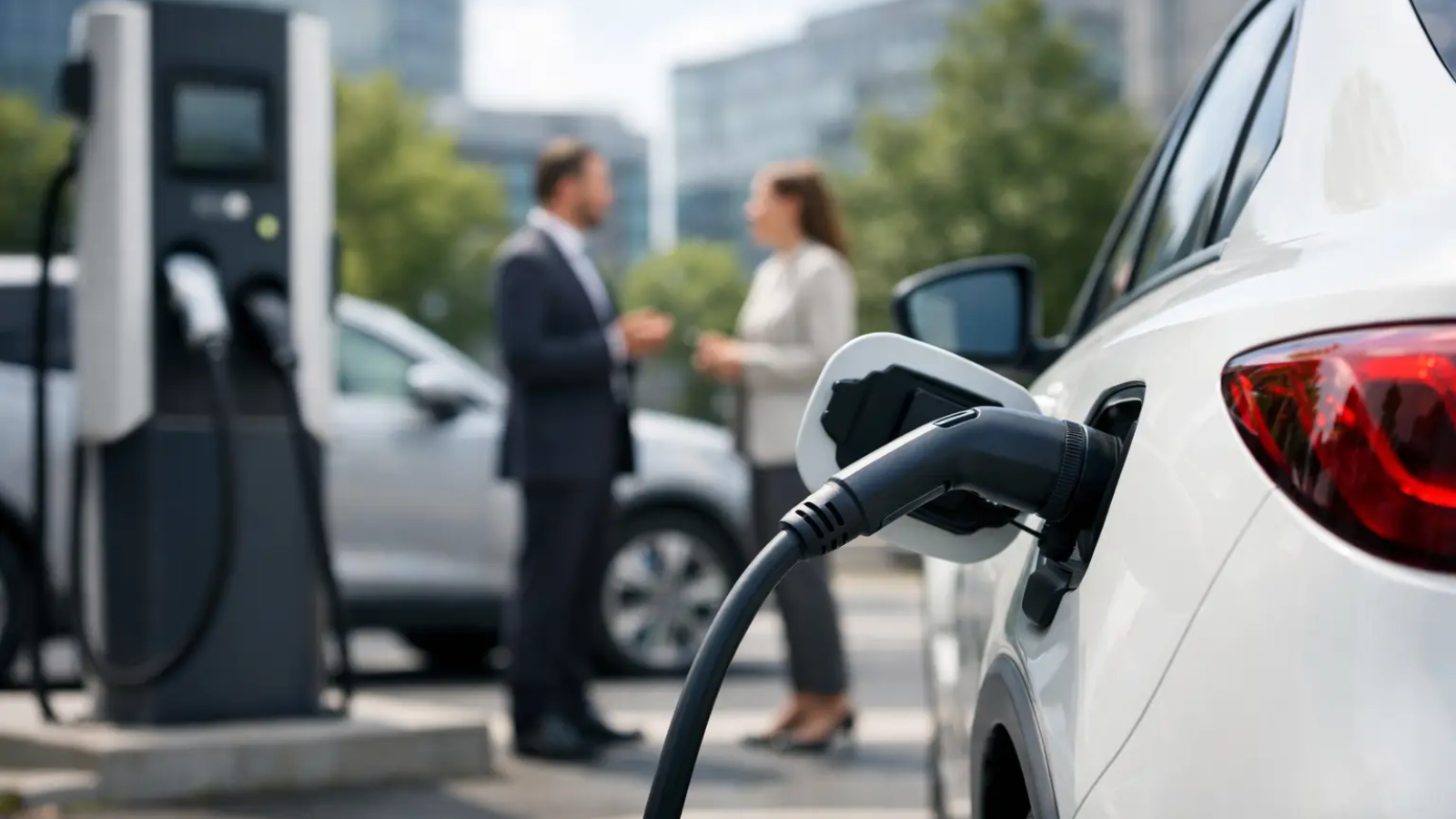
A charger can be installed in a day. Good policy takes longer, and it often determines whether that charger is useful, affordable, and available when people need it. That is why electric vehicle charging policy matters far beyond government paperwork. It shapes where chargers go, who pays for upgrades, how fast permits move, and whether EV drivers can count on charging at home, at work, or on the road.
For homeowners, property managers, and business operators, policy is not an abstract issue. It influences installation timelines, utility costs, equipment standards, parking rules, and long-term return on investment. The strongest policies do not just encourage more chargers. They create conditions for reliable, fair, and scalable charging infrastructure that supports broader clean energy goals.
What electric vehicle charging policy actually covers
When people hear policy, they often think of rebates. Incentives matter, but electric vehicle charging policy is much broader. It includes building codes that require EV-ready parking, utility rate design, permitting rules, interoperability requirements, accessibility standards, and public funding criteria.
A city might require new multifamily buildings to include conduit for future chargers. A utility might offer a make-ready program that covers part of the electrical infrastructure needed before a charger is installed. A state agency might set reliability standards for publicly funded charging stations. Each of these decisions affects whether EV charging expands smoothly or gets stuck in delays and added costs.
Policy also determines who benefits first. A program focused only on single-family homes may accelerate suburban adoption, but leave renters behind. A public fast-charging plan may look ambitious, but if it ignores grid constraints or maintenance obligations, the network can become inconsistent fast.
Why charging policy matters more than charger counts
Headline numbers can be misleading. A region may announce thousands of charging ports, but availability, speed, and location tell the real story. A slow charger in the wrong place does not solve the same problem as a reliable charger where people regularly park for hours.
Good policy starts with use case, not just quantity. Home charging supports daily convenience. Workplace charging helps commuters who cannot charge at home. Fleet charging demands high uptime and careful load management. Public fast charging fills gaps for long-distance travel and dense urban areas. Each category needs different rules, incentives, and infrastructure planning.
This is where policy can either accelerate adoption or create friction. If interconnection approvals take months, commercial projects stall. If electricity tariffs punish peak demand without offering smart charging options, operating costs climb. If building standards do not anticipate future EV demand, retrofits become far more expensive later.
The right policy reduces those bottlenecks early.
The strongest electric vehicle charging policy priorities
The most effective policies tend to focus on five areas: readiness, affordability, reliability, equity, and grid integration.
Readiness starts with buildings and parking. EV-capable construction is far cheaper during development than after a property is finished. Requiring conduit, panel capacity, and dedicated parking spaces in new projects can save owners significant retrofit costs down the line. For commercial properties and multifamily housing, this is often one of the highest-impact policy moves available.
Affordability goes beyond purchase rebates. It includes lower soft costs, streamlined permits, and utility support for service upgrades. In many projects, the charger is only part of the total cost. Trenching, panel upgrades, transformer needs, and compliance work can push budgets much higher. Policy that addresses those upstream expenses tends to unlock more real-world deployment.
Reliability matters because a charger that is out of service undermines confidence in the entire EV ecosystem. Public programs increasingly need uptime standards, maintenance reporting, and payment system consistency. This is especially important for drivers who depend on public charging rather than home access.
Equity is another priority that deserves more attention. Charging access is uneven. Renters, lower-income drivers, and residents in older buildings often face the highest barriers. Policy that only supports detached homes can widen that gap. Better approaches include multifamily incentives, curbside charging pilots, community charging hubs, and requirements that public investment reaches underserved areas.
Grid integration may be the most overlooked piece. As EV adoption grows, charging policy needs to work with utility planning, not around it. Time-of-use pricing, managed charging, solar integration, and battery storage can reduce strain on the grid while lowering energy costs. That is where charging becomes part of a smarter clean energy system rather than just another electrical load.
Where policy often falls short
Many charging programs are designed with good intentions but limited follow-through. One common problem is fragmentation. Federal, state, utility, and local rules may all apply to the same project, and they do not always align. Property owners can end up navigating overlapping incentives, inconsistent permit standards, and unclear utility requirements.
Another issue is overemphasis on hardware funding without enough attention to operations. A site may receive support for installation, but not for maintenance, networking fees, or future upgrades. That can lead to chargers that exist on paper but underperform in practice.
There is also a timing problem. EV adoption can rise faster than codes, zoning, and utility processes adapt. When policy lags, demand builds in places that are not ready. Multifamily housing is a clear example. Residents may want to switch to EVs, but shared parking, limited electrical capacity, and approval complexity make charging difficult unless policy anticipates those constraints.
For businesses, demand charges are another recurring challenge. Fast charging can create high peak loads, which may trigger expensive utility charges. In some markets, that makes the business case harder, especially during the early years of station use. Smart rate design and managed charging programs can help, but only if policy recognizes that utilization takes time to build.
What homeowners and businesses should watch
If you are evaluating charging infrastructure, policy should be part of the planning process from the start. It affects your budget, timeline, and future flexibility.
Homeowners should pay close attention to local rebates, permit requirements, and utility rates. A lower equipment price is helpful, but long-term charging costs depend heavily on electricity pricing and charging behavior. If time-of-use plans are available, overnight charging may significantly reduce operating costs.
Property managers and multifamily owners should watch building code changes and EV-ready requirements closely. Even if demand feels modest today, tenant expectations are moving quickly. Installing infrastructure in phases often makes sense, but only if early design decisions leave room to expand.
Business operators need to look at more than customer demand. Utility capacity, parking patterns, dwell time, and incentive conditions all matter. A retail location, office site, and logistics depot may each require very different charging strategies. Policy can help make these projects viable, but only when the site plan matches actual usage.
This is where a solutions-oriented approach matters. At Charge & Go, we see that the best charging outcomes usually come from combining policy awareness with practical system design, especially when solar and energy management are part of the conversation.
Policy is shifting toward energy ecosystems
The next phase of electric vehicle charging policy will not be only about installing more ports. It will be about connecting transportation with the broader energy system. That means aligning EV charging with distributed solar, storage, building electrification, and grid responsiveness.
For a homeowner, this could mean charging an EV with solar generation during the day or using smart scheduling to avoid expensive evening peaks. For a commercial property, it could mean pairing chargers with on-site solar and battery storage to manage demand and improve resilience. For cities and utilities, it means planning for transportation electrification as part of long-term energy strategy.
That shift brings trade-offs. More intelligent systems can lower costs and reduce grid stress, but they also require better coordination, clearer standards, and stronger data practices. Policymakers need to support innovation without making deployment overly complex.
The markets that move fastest will likely be the ones that simplify this coordination. They will make installation easier, set clear technical expectations, support underserved communities, and encourage charging that works with the grid rather than against it.
A practical test for any charging policy
A simple way to judge policy is to ask three questions. Does it make charging easier to deploy? Does it make charging more dependable to use? And does it support long-term clean energy goals without creating unnecessary cost or complexity?
If the answer is yes across all three, the policy is probably moving in the right direction. If it only increases charger counts without improving access, reliability, or energy performance, the impact may be smaller than it appears.
Electric mobility is no longer a niche issue. The policy choices being made now will shape how people live, travel, and power their properties for years to come. The smartest path forward is not just more charging. It is charging backed by policy that is practical, scalable, and built for a cleaner energy future.
Add a Comment