
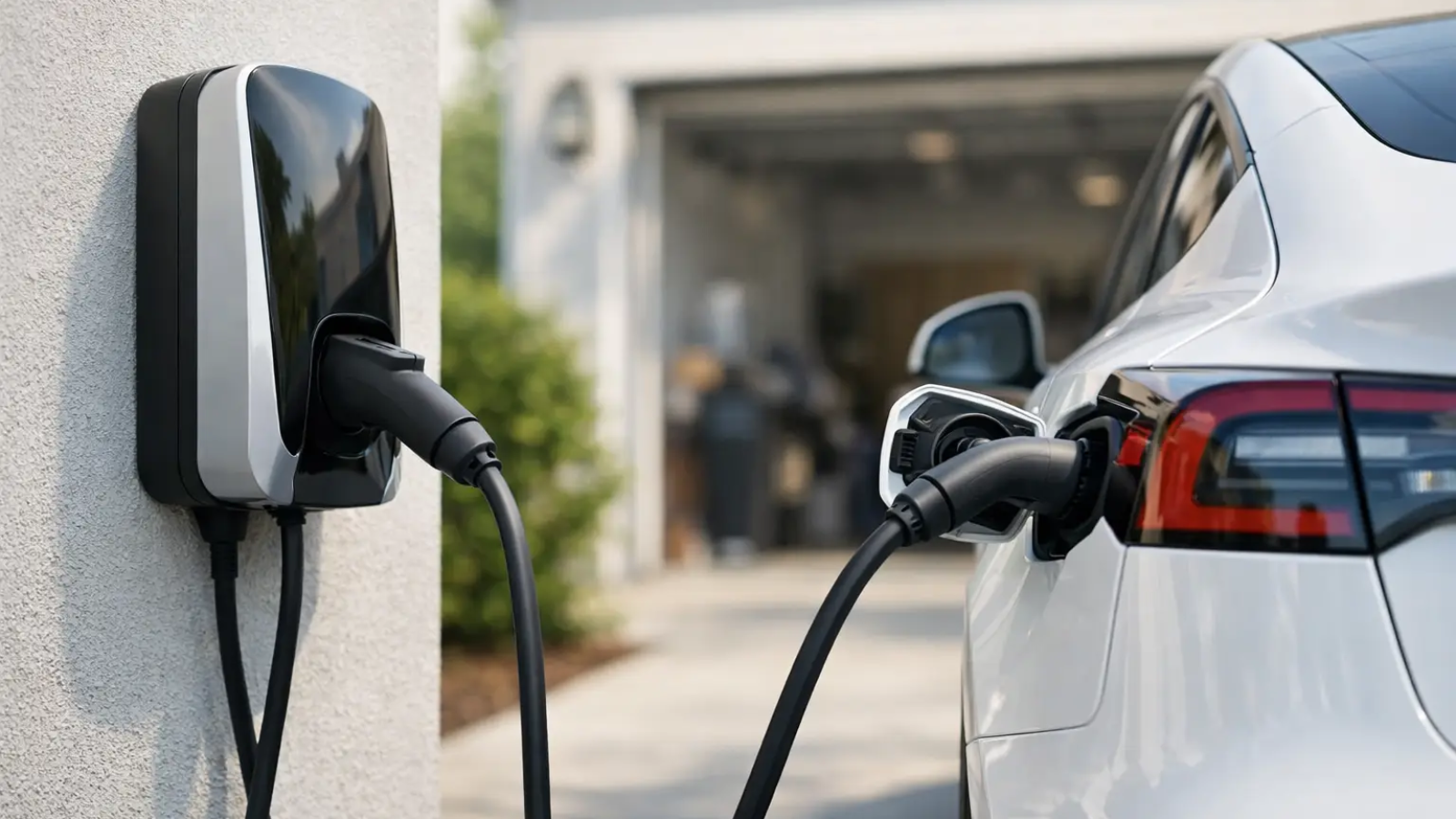
A home charger becomes part of your daily energy routine long before it becomes a piece of hardware on the wall. The best residential wall charger review is not simply about which model has the highest amp rating or the brightest app. It is about whether the charger fits your vehicle, electrical panel, driving habits, and long-term clean energy plans.
For most EV owners, Level 2 charging at home is the practical answer. It lets the vehicle replenish overnight, reduces dependence on public stations, and gives you more control over when electricity is used. But two chargers with similar specifications can deliver very different ownership experiences. Installation requirements, cable handling, smart controls, warranty support, and solar compatibility all deserve a closer look.
Residential Wall Charger Review: The Criteria That Count
A useful review starts with charging speed, but it should not end there. Home charging is a system. The charger, the circuit, your EV’s onboard charger, the electrical service, and your utility rate all affect the result.
Charging speed should match your vehicle and circuit
Most residential wall chargers in the United States operate on a 240-volt Level 2 circuit. Depending on the unit and installation, they commonly provide between 16 and 48 amps. Higher amperage can add more driving range per hour, but only when both the vehicle and the home electrical system can accept it.
A 40-amp charger is often an excellent fit for a typical EV household. It can comfortably restore a daily commute overnight and may require less electrical capacity than a 48-amp setup. A 48-amp hardwired charger can make sense for larger battery packs, households with high daily mileage, or drivers who need a quicker turnaround between trips.
The vehicle sets a limit, too. If your EV accepts 32 amps on Level 2 charging, installing a 48-amp wall charger will not make that vehicle charge at 48 amps. It may still be a sensible future-ready choice, particularly if another EV could join the household, but it is not an immediate speed upgrade.
Hardwired versus plug-in installation
This is one of the most meaningful trade-offs in a residential wall charger review. A plug-in charger, often using a NEMA 14-50 outlet, can offer flexibility. It can be easier to replace or relocate, and it may suit homeowners who prefer not to permanently connect the charger.
Hardwired units are typically the stronger option for higher-output charging. They eliminate the outlet as another potential point of wear, support 48-amp charging on many models, and often create a cleaner installation. In locations exposed to heat, moisture, or frequent use, hardwiring can also provide greater peace of mind.
The right choice depends on the circuit, local electrical code, and the charger’s instructions. A dedicated circuit and professional installation are essential. An EV charger can operate for hours at a time, which is very different from occasionally plugging in a power tool or appliance.
Safety and certification are non-negotiable
Look for a charger certified by a recognized testing laboratory, such as UL or ETL, and ensure it is rated for the environment where it will be installed. A garage installation has different demands from a driveway or exterior wall exposed to rain, sun, and temperature changes.
A quality charger should include ground-fault protection and a durable enclosure. The connector should feel secure without being difficult to handle, while the cable should remain manageable in everyday conditions. For outdoor installations, cable flexibility matters more than it may appear in a product listing. A stiff, awkward cable can turn a simple nightly habit into a frustration.
Professional installation also protects the investment. An electrician can assess panel capacity, circuit sizing, grounding, conduit needs, and permit requirements. If the panel is close to its limit, a load-management solution may allow charging without a costly service upgrade.
Smart Features Worth Paying For
Smart charging is useful when it solves a real energy or convenience problem. It is less useful when it adds complexity without changing how you charge.
Scheduling is one of the most valuable features. If your utility offers time-of-use rates, a charger that starts after off-peak pricing begins can reduce charging costs automatically. For a driver who plugs in after work and leaves in the morning, this can work quietly in the background.
Energy monitoring is another practical benefit. It helps distinguish EV charging from the rest of household electricity use, which can clarify operating costs and support energy planning. For households considering solar, this data provides a more accurate picture of charging demand.
Reliable connectivity matters more than a crowded feature list. A charger should continue charging safely if Wi-Fi drops. The app should make core tasks simple: set a schedule, view charging status, receive useful notifications, and adjust settings when needed. Frequent app failures or complicated setup can undermine an otherwise capable unit.
Access control can also be valuable in shared driveways, multifamily homes, or properties where visitors may use the charger. A simple method to limit unauthorized sessions may be enough. Not every homeowner needs advanced user management, but it is worth considering before installation rather than after a problem arises.
Solar Readiness Is More Than a Marketing Label
For homeowners pairing an EV with rooftop solar, the ideal charging strategy depends on goals. Some want to charge primarily during sunny hours to use available solar production. Others prefer to charge overnight at low utility rates while their solar system offsets daytime home consumption. Both approaches can be financially and environmentally sound.
A charger does not need to be directly connected to a solar inverter to support a solar-powered lifestyle. The more important question is whether its controls and monitoring fit the home energy system. Adjustable charging schedules, variable amperage settings, and access to clear consumption data are often more useful than a vague claim of solar compatibility.
Solar-aware charging can be especially compelling for households with flexible schedules, a work-from-home routine, or a second vehicle that remains parked during the day. It is less predictable for drivers who need to arrive home, plug in, and leave before sunrise. In that case, off-peak charging and a properly sized solar system may deliver better overall value.
At Charge & Go, we view home charging as part of a broader energy decision. A charger should support cleaner transportation today while leaving room for future solar, storage, and changing household demand.
Installation Costs Can Change the Best Value Choice
The charger’s purchase price is only one part of the budget. A straightforward garage installation near the electrical panel may be relatively simple. A detached garage, a long trench to an exterior parking space, limited panel capacity, or a required service upgrade can change the project cost substantially.
Before choosing a unit, confirm the location of the parking spot, cable reach, panel capacity, and desired charging speed. Also consider where the cable will rest when it is not in use. A well-placed holster and cable management system keep the area safer and make the charger more likely to be used properly every day.
It can be tempting to buy the most powerful charger first and solve installation later. A better approach is to start with the electrical assessment. The best charger is one that delivers enough energy for your actual driving needs without pushing the home’s infrastructure beyond what is reasonable.
How to Choose Between Similar Chargers
When two certified Level 2 chargers offer comparable power, choose based on daily usability and support. Consider the cable length, connector compatibility, outdoor rating, app reliability, warranty, and the manufacturer’s track record for software updates and customer service.
For homes with one EV and a predictable commute, a dependable 32- or 40-amp unit with scheduling may be all that is needed. For growing EV households, a 48-amp hardwired charger, load management, or a system designed to coordinate multiple chargers may be the smarter investment. For solar-minded homeowners, prioritize energy visibility and flexible scheduling over labels that promise more than they explain.
A wall charger should make electric driving feel ordinary in the best way: park, plug in, and wake up ready to go. Choose the setup that supports that routine while moving your home one practical step closer to cleaner energy.
Add a Comment