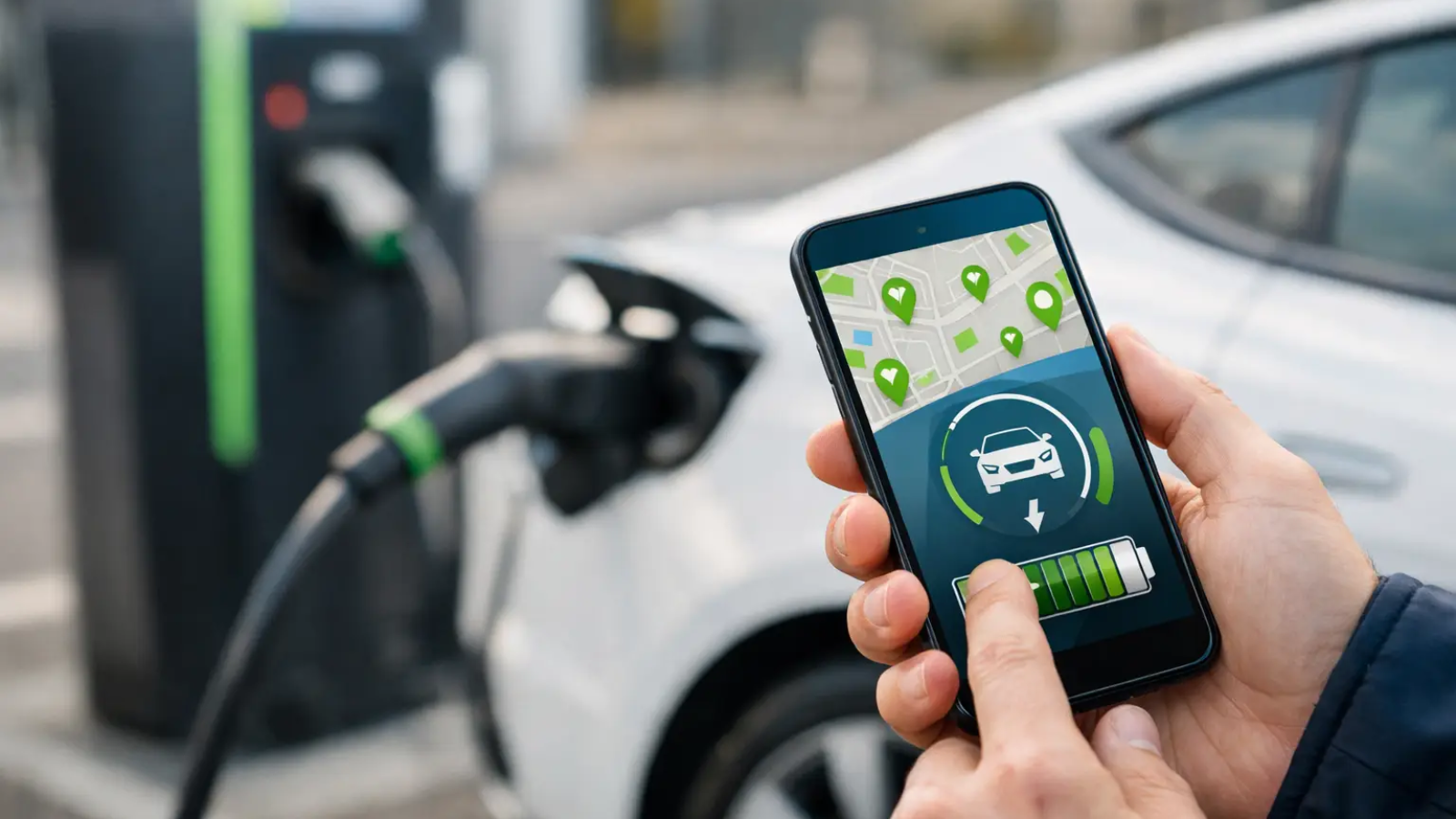
If you have ever pulled into a charging site with 8% battery left, only to find one station offline and another blocked, you already know why the best electric vehicle charging app matters. A good app does more than point to nearby chargers. It helps you avoid wasted stops, compare speeds, manage payments, and make EV driving feel predictable instead of stressful.
For most drivers, there is no single app that wins in every situation. The right choice depends on how you charge, where you drive, and whether you need a simple public charging finder or a broader tool for route planning and energy management. That matters for homeowners, fleet operators, and property managers alike, because charging works best when the digital experience is as reliable as the hardware.
What makes the best electric vehicle charging app?
The strongest charging apps do four things well. First, they show accurate station data, including charger type, speed, pricing, and live availability. Second, they make payment easy. Third, they support route planning that reflects your vehicle’s real-world needs. Fourth, they reduce friction once you arrive, whether that means in-app activation, clear directions, or driver reviews that flag common issues.
Accuracy is the feature that gets overlooked until it fails. An app can have a polished interface, but if station status is outdated or the location pin is wrong, the design does not matter much. This is why many EV drivers end up using more than one app. One may be excellent for trip planning, while another is better for network-specific charging sessions.
Pricing transparency also deserves more attention. Some apps show charging costs clearly before you start, while others leave important details vague until the session is underway. If you are trying to control operating costs, especially for a business or a multi-vehicle household, that difference adds up.
The main types of charging apps
Not every charging app is trying to solve the same problem. Broadly, they fall into three categories.
Network apps are built by charging providers. These are often the best option when you frequently use a specific network because they usually offer direct activation, account management, charging history, and network support. The trade-off is that they may prioritize their own stations and offer a narrower view of the full charging landscape.
Aggregator apps pull together stations across multiple networks. These are useful when you want a bigger map, broader coverage, and community feedback. They are often better for discovering options, but they may not always support direct payment or the most current station status for every site.
Vehicle-native apps, including those built into the car’s software, can be the most convenient for route planning because they understand your battery state, efficiency, and charging curve. The limitation is that they may be tied to one automaker’s ecosystem and may not always surface the fullest set of public charging details.
Best electric vehicle charging app options to consider
If your goal is to choose the best electric vehicle charging app for daily use, start by matching the app to your charging habits rather than chasing a universal winner.
Best for network reliability
If you mostly charge on one major public network, that provider’s official app is often the most dependable choice for starting sessions and managing payments. These apps tend to give the most direct access to membership pricing, account support, and station-specific alerts. For commuters who use the same corridor every week, that convenience matters more than having the biggest map.
The downside is obvious. If your usual network has weak coverage where you travel, the app becomes much less useful outside your routine. It is efficient within its ecosystem, but not always beyond it.
Best for discovering charging stations
Aggregator apps are usually strongest when you need to find charging options across brands, neighborhoods, or long-distance routes. They can be especially helpful in unfamiliar areas where charger access is fragmented. Community check-ins, photos, and comments can reveal details that static maps miss, such as difficult parking layouts or access restrictions after business hours.
This is often the best fit for newer EV drivers who are still learning the public charging landscape. Seeing more options in one place can reduce range anxiety and build confidence quickly.
Best for road trips
Trip planning apps stand out when your driving pattern includes highway travel, multi-stop routes, or unpredictable weather. These tools help estimate charging stops based on distance, battery level, and charger speed. Some also account for elevation, temperature, or real-time changes, which can make long trips far more manageable.
The key trade-off is that a strong route planner is not always the best session management app. You may use one tool to plan the trip and another to start the charge when you arrive.
Best for integrated in-car use
Some drivers prefer the app experience built into the vehicle itself. This can be the smoothest option because it keeps navigation, battery data, and charging guidance in one place. For drivers who value simplicity over flexibility, that integration is hard to beat.
Still, in-car systems vary widely. Some are excellent, while others lag behind third-party apps in charger coverage, user reviews, or pricing detail.
How to choose the right app for your situation
A homeowner with reliable overnight charging does not need the same app setup as a rideshare driver or a property manager evaluating tenant charging patterns. Start with your most common charging scenario.
If you charge at home most of the time and only use public chargers occasionally, you likely need one strong backup app with broad station coverage and simple payment tools. In this case, ease of use matters more than advanced route planning.
If you rely heavily on public charging, look for apps with live availability, wait time visibility, and strong customer support. You should also pay attention to how often users report broken stations or payment failures. Public charging is not just about the charger’s power rating. It is about whether the site works when you need it.
For commercial users, reporting features may carry more weight than convenience. Businesses with EV fleets or workplace charging needs often benefit from apps that track usage, costs, and charging sessions over time. The best choice here is not always the one with the prettiest interface. It is the one that supports operational decisions.
Features worth prioritizing
Real-time status is near the top of the list because charger uptime shapes the entire experience. A station marked available should actually be available. That sounds basic, but it remains one of the biggest differences between average and excellent charging apps.
Route planning becomes more valuable as trip distance increases. For short city driving, it is optional. For regional travel, it can save time and prevent unnecessary stops. If the app can adapt based on your current battery level and destination, that is a meaningful advantage.
Payment flexibility matters more than many drivers expect. Apps that support credit cards, digital wallets, subscriptions, and easy receipt tracking remove friction. For businesses, clean billing records are not a luxury. They are part of managing charging as an operating cost.
User reviews can also be surprisingly valuable, especially when they are recent. A charger may technically be online but difficult to access, poorly lit, or inside a gated lot. Drivers on the ground often provide the context that official data leaves out.
One app or several?
For many EV drivers, the practical answer is several. One app for your preferred network, one aggregator for wider station discovery, and one route planner for longer trips is a realistic setup. That may sound inconvenient at first, but it reflects the current charging market, which is still maturing.
Over time, more platforms will likely become integrated, and the charging experience should become more unified. Until then, using a small stack of apps is often the smartest way to stay flexible and avoid dead ends.
That broader lesson applies beyond software. EV charging works best as part of a larger energy strategy that includes dependable home charging, smart energy use, and, in some cases, solar integration. At Charge & Go, we see that same pattern across homeowners and businesses making the transition to cleaner transport. The strongest outcomes come from combining good infrastructure with tools that make daily charging easier to manage.
The real test of a charging app
The best app is not the one with the most features on paper. It is the one that helps you make better decisions in real time, with less uncertainty and fewer failed charging stops. For some drivers, that means a network app with fast activation. For others, it means a broader platform with better trip planning and station reviews.
A useful rule is simple: choose the app that matches the way you actually drive, not the way charging is supposed to work in an ideal system. The cleaner future of mobility depends on practical confidence. When your charging app gives you that confidence, every trip gets easier.
Add a Comment